From whole waste treads to fine crumb rubber and civil aggregate, understand every conversion stage.
Stage 01
Shredding and Granulation
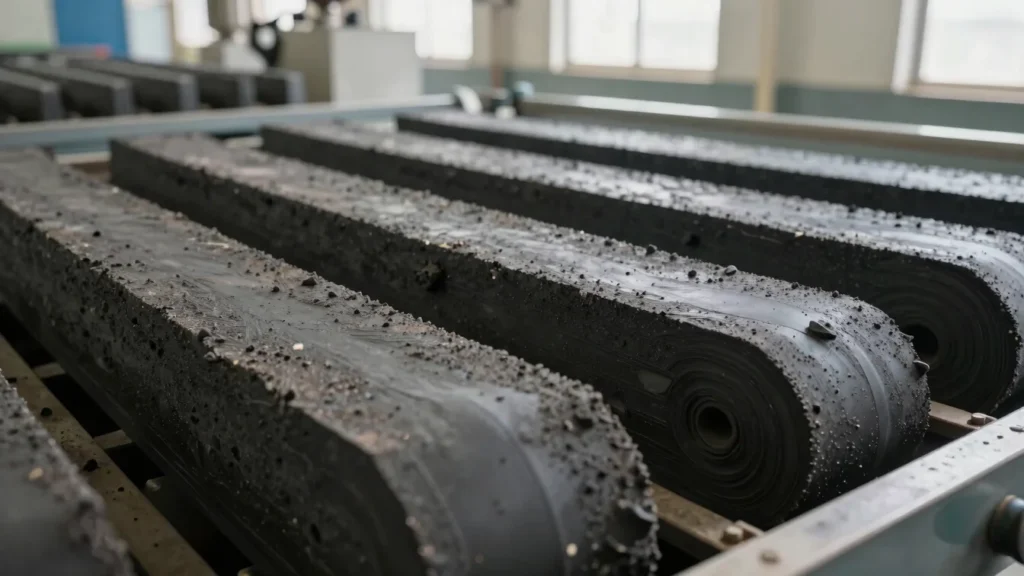
Mechanical reduction transforms raw tyres into precise chip sizes, separating high-tensile steel wire from clean rubber fraction.
Stage 02
Devulcanization Process
Chemical and thermal treatment cleaves sulfur bonds, yielding elastomeric compound ready for re-molding into new industrial goods.
Stage 03
Secondary Applications
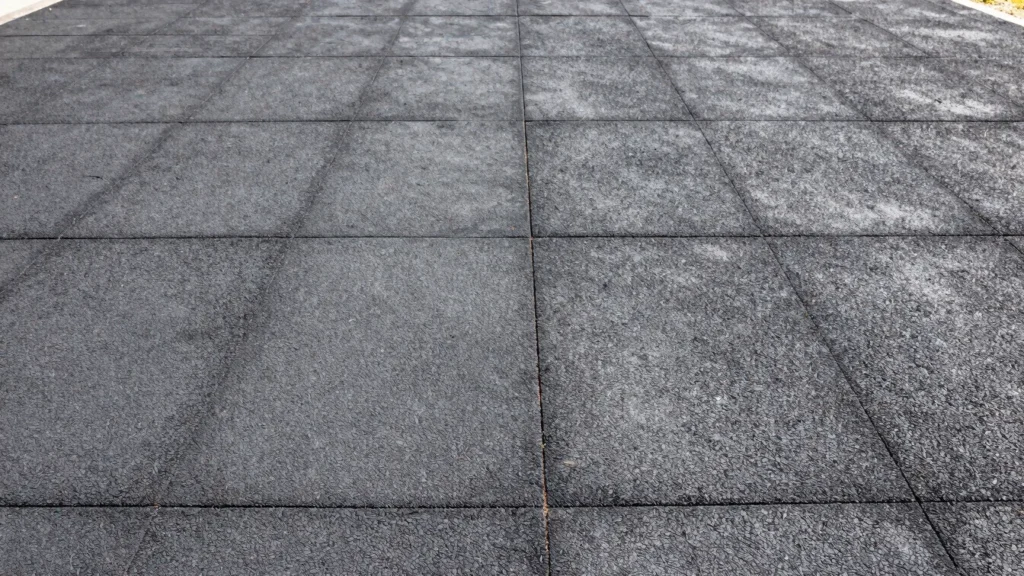
Recovered material feeds high-durability rubberized asphalt, porous athletic turf underlayment, and molded playground tiles.
Industrial Processing
From Worn Tread to Secondary Fuel
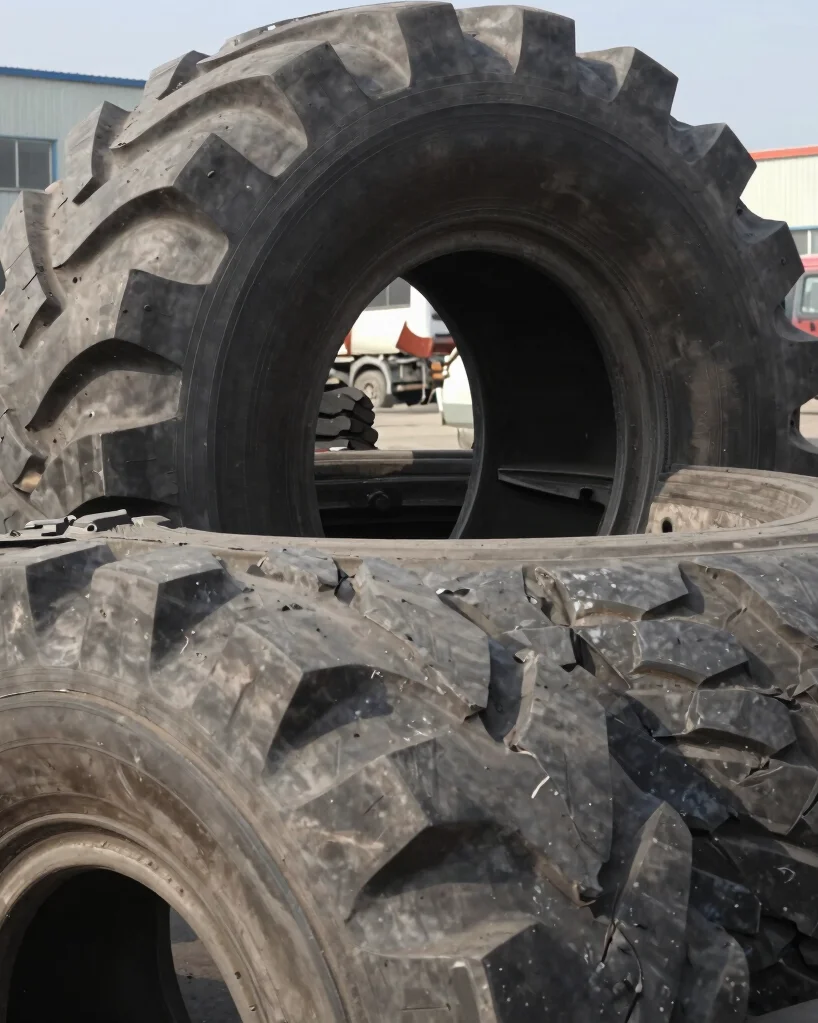
Modern processing facilities employ multi-stage mechanical shredding to reduce heavy truck and passenger treads into uniform 2-inch chips. High-intensity magnetic separators pull out steel reinforcement for metal recycling.
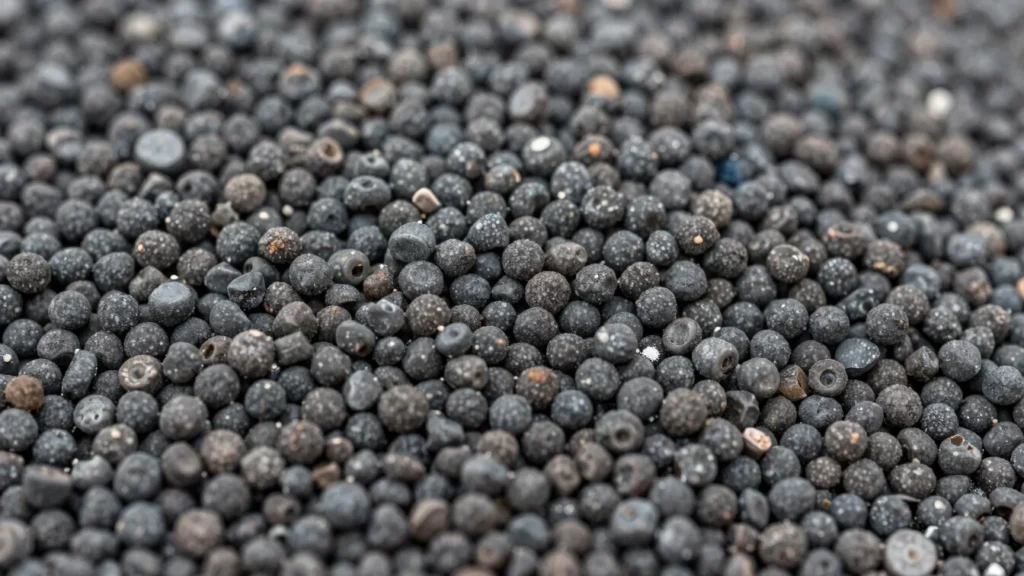
Secondary granulators further refine the clean rubber matrix into fine crumb aggregate suitable for civil engineering, asphalt binder modification, and molded safety flooring.
Factual Clarity
We skip eco-buzzwords to deliver clear, direct disposal technical facts for drivers and fleet operators.
Every discarded tyre holds usable crumb rubber, civil engineering aggregate, or secondary fuel when routed to the right facility.
Explore the Full Article Repository
Access detailed technical guides on devulcanization, regional drop-off rules, and crumb rubber specifications.